 Aizaz
Aizaz
Case study SaaS Architecture • CRM • Sales Enablement
SalesAngel — AI Sales Platform
AI sales platform architecture for organizations and sales teams
How Aizaz Studio translated detailed product epics and user stories into scalable SalesAngel architecture — multi-tenant CRM, dialer, and sales enablement designed for long-term SaaS evolution.
Delivered by Aizaz Studio

Project snapshot
The work at a glance
- Client
- Sanjay Khosla
- Location
- Tracy, California, USA
- Industry
- AI Sales Platform · CRM · Dialer
- Engagement
- Hourly · Upwork
Client perspective
“I had some hesitation working with a relatively new studio, but Aizaz Studio exceeded my expectations. Their technical expertise, out-of-the-box thinking, and direct collaboration made the engagement exceptional. Having direct access to the studio's technical leadership throughout the project was particularly valuable. They understood the complexity of building a scalable multi-tenant SaaS architecture and approached the work with professionalism, clarity, and a strong focus on getting things right.”
Engagement
Project details
- Project
- SalesAngel — AI Sales Platform
- Client
- Sanjay Khosla
- Location
- Tracy, California, USA
- Duration
- Oct 27, 2025 – Jan 29, 2026
- Engagement
- Hourly · Upwork
- Days
- 9
- Project value
- $735
- Client rating
- ★★★★★ 5.0 / 5.0
Taking a Chance on a New Studio
When this engagement began, Aizaz Studio was still establishing itself as a studio brand. Sanjay Khosla took a chance on a newer engineering studio, but the engagement was structured around something larger agencies often make difficult: direct access to technical leadership and close collaboration throughout the architecture process. Rather than creating layers between the client and engineering team, Aizaz Studio worked directly through the product requirements, epics and user stories to establish the technical foundation for the proposed SaaS platform. The engagement demonstrated that a small, senior engineering studio could bring the architectural depth and product thinking normally associated with a much larger consultancy.
The Challenge
The client was planning a multi-tenant CRM and dialer SaaS platform focused on sales and sales enablement teams. The architecture needed to support multiple organizations, multiple users, tenant isolation, CRM workflows, dialer functionality, sales enablement workflows, scalable SaaS architecture, and a maintainable application structure. The client supplied detailed epics and user stories and wanted the architecture to take inspiration from Salesforce Force.com's approach to multi-tenant systems.
Platform capabilities in scope
The architecture had to account for the full product vision across CRM, dialer and sales enablement workflows.
- Multiple organizations and users
- Tenant isolation
- CRM workflows
- Dialer functionality
- Sales enablement workflows
- Scalable SaaS architecture
- Maintainable application structure
Our Approach
Our team structured the engagement around five architectural phases, from requirements through long-term product evolution.
01 — Requirements
We reviewed the product requirements, epics and user stories to understand the intended CRM, dialer and sales enablement workflows.
02 — Multi-Tenant Architecture
We designed the application around multiple organizations and users, with tenant-aware architecture as a core consideration.
03 — Application Architecture
We established clear boundaries between frontend, backend services and data layers.
04 — Scalability
We considered architectural patterns required for a SaaS platform that could grow across organizations, users and product capabilities.
05 — Product Evolution
We designed the foundation so CRM, dialer and sales enablement capabilities could evolve without requiring a complete architectural rewrite.
Technology & Architecture Context
These technologies were part of the project's technical requirements and architecture context. They do not imply that every technology was necessarily deployed to production.
Frontend
- React
- Next.js
- Chakra UI
Backend
- Node.js
- Python
Data
- PostgreSQL
- MongoDB
Development / AI Tooling
- Bolt
- Cursor
- Claude
Architectural Reference
Multi-tenant design patterns informed by Salesforce Force.com.
- Salesforce Force.com
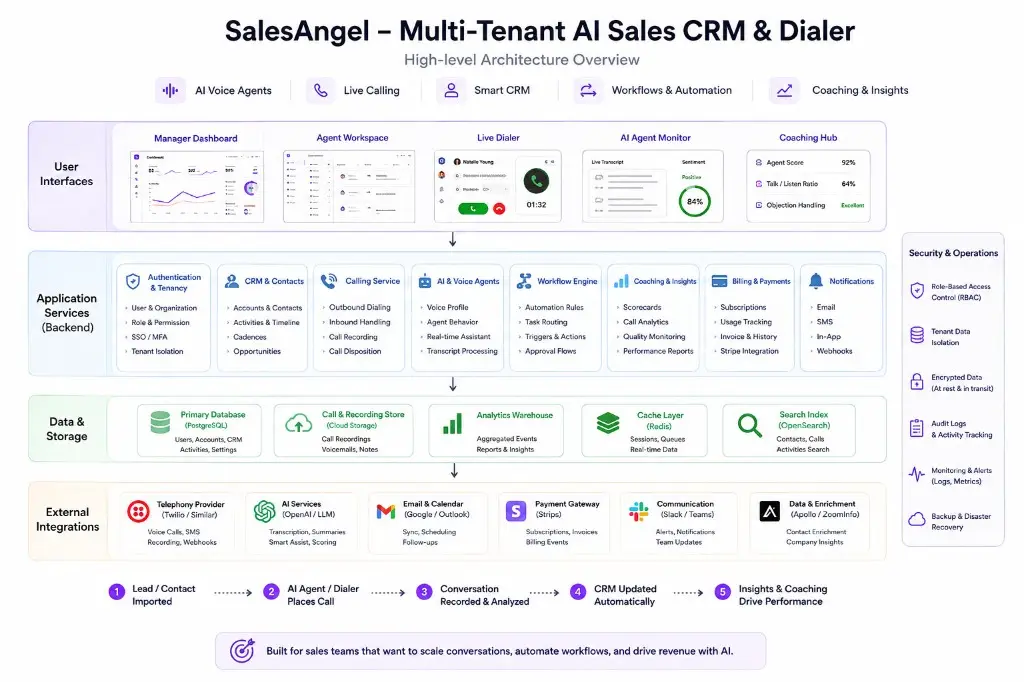
Conceptual Multi-Tenant Architecture
Conceptual architecture for how organizations, tenant context, application services and data layers relate within the proposed platform. This is a conceptual diagram, not a verified production architecture.
Conceptual Multi-Tenant Architecture
- Organizations
- ↓ Tenant Context
- ↓ Authentication / Authorization
- ↓ Multi-Tenant Application Layer
- ↓ CRM Services · Dialer Services · Sales Enablement
- ↓ Data Layer (PostgreSQL / MongoDB)
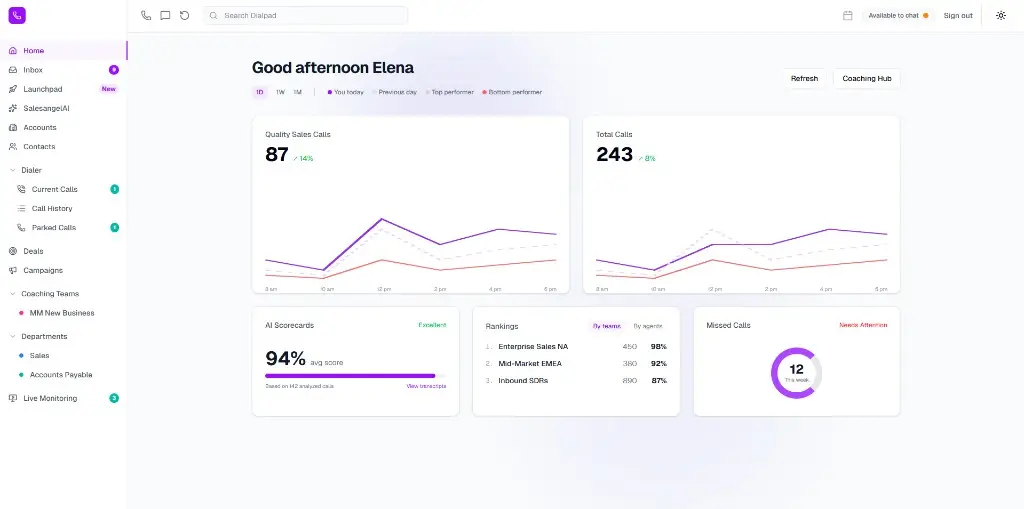
Product Context
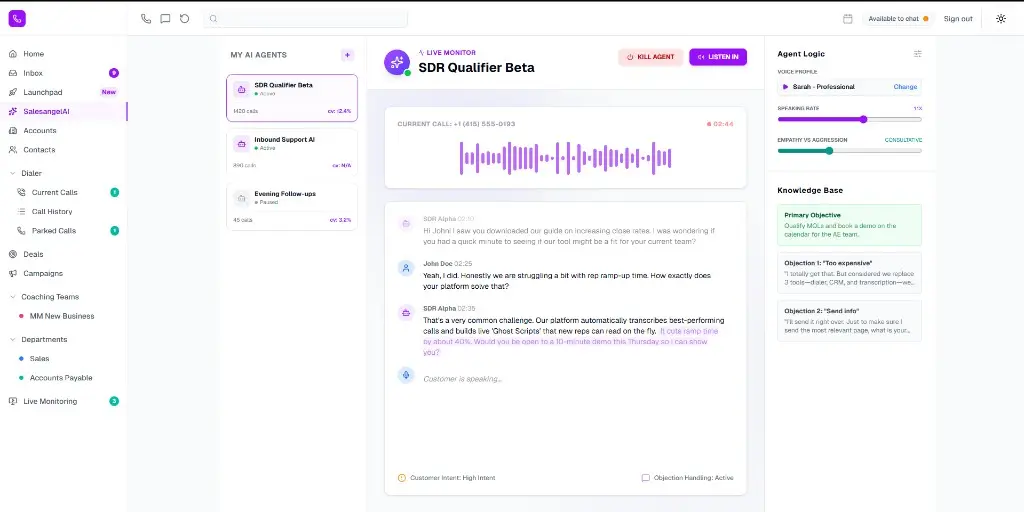
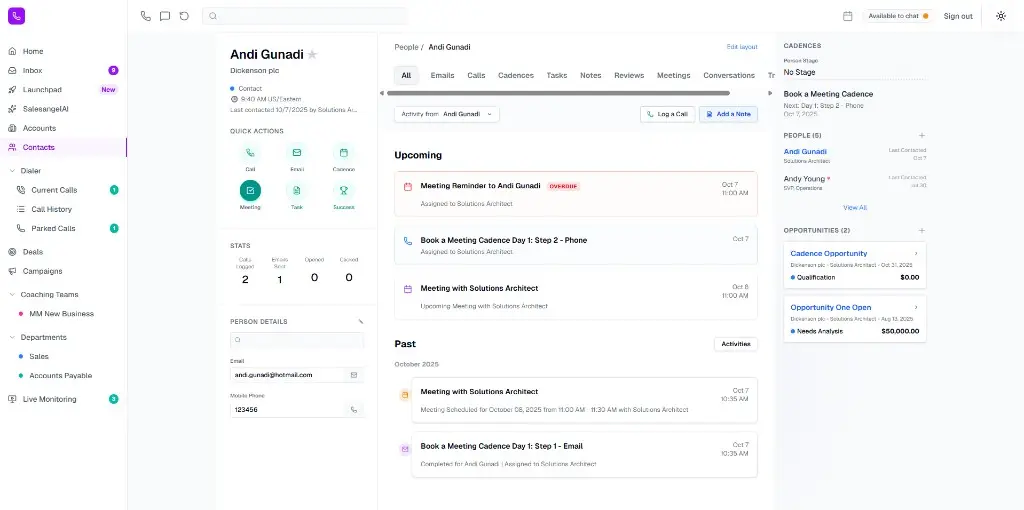
The following visuals reflect the CRM, dialer and sales enablement capabilities defined in the product requirements. They illustrate the platform context the architecture was designed to support.
Sales dashboard and performance tracking
Dashboard workflows for sales teams, call activity and performance visibility.
AI agent monitoring
Sales enablement workflows including AI-assisted agent monitoring and coaching context.
CRM contact and activity management
CRM workflows for contacts, cadences, opportunities and activity timelines.
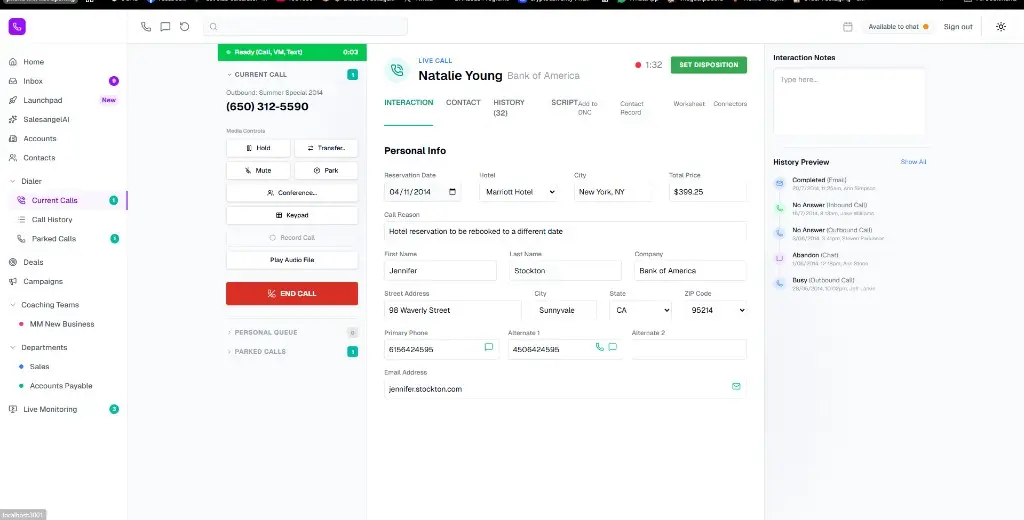
Live dialer workspace
Dialer functionality for live calls, disposition handling and interaction management.
Outcome
Our engineering work established a technical foundation designed to support the client's multi-tenant CRM SaaS vision without claiming full product delivery in this engagement.
What the architecture engagement delivered
- Established a technical foundation for a multi-tenant CRM SaaS platform
- Translated product epics and user stories into an actionable architecture
- Addressed multi-organization and multi-user requirements
- Defined application and data layer boundaries
- Created an architecture designed to evolve with the product
- Provided direct technical collaboration throughout the engagement
Building a complex SaaS product? Turn your product requirements into an architecture built for scale.