 Aizaz
Aizaz
Case study Systems Integration · Digital Health
Clinical Workflow Integration
Stabilizing a Multi-System Clinical Operations Workflow
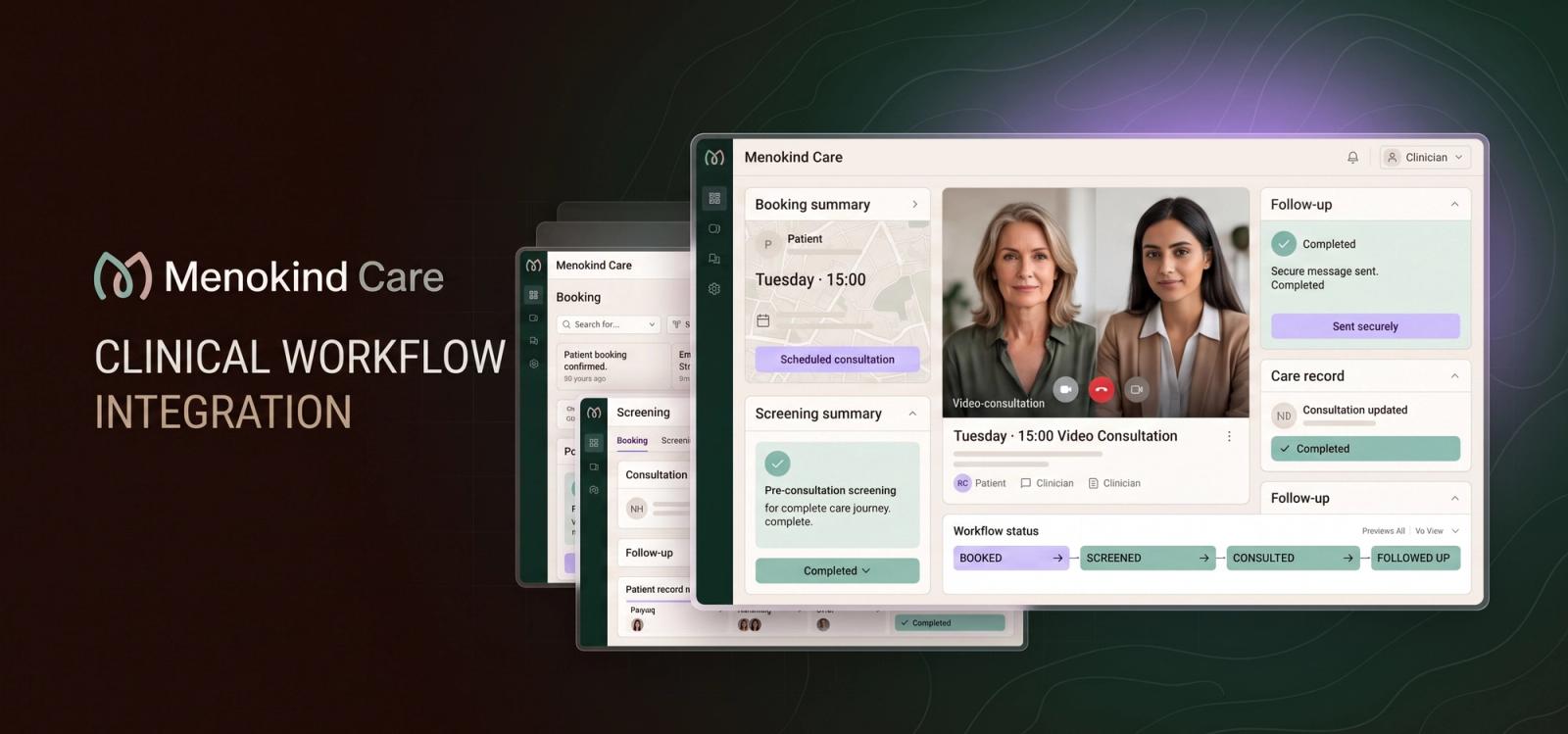
Aizaz stabilized a production middleware layer connecting booking, video consultations, transactional email, patient records and AI-assisted workflows without forcing the client to replace its existing tools.

Delivered by Aizaz Studio
Delivered across two fixed-price engagements covering the original integration and subsequent production stabilization. The production-stabilization phase was completed from January 17 to February 5, 2026.
Project snapshot
The work at a glance
- Client
- Maria Trier
- Location
- Copenhagen, Denmark
- Industry
- Digital Health
- Engagement
- $1,500
- Delivery
- Jan 17 – Feb 5, 2026
Client perspective
“Nasir is an outstanding technician. He is consistently professional, polite, and highly responsive, even in complex or time-critical situations. What really sets him apart is his ability to combine strong technical expertise with a calm, solution-oriented mindset. He listens carefully, understands the real problem behind the request, and follows through with clear communication and reliable execution. Working with Nasir feels safe, efficient, and genuinely collaborative, and he is a pleasure to work with on both a technical and a human level.”
Engagement
Project details
- Primary focus
- Production integration stabilization
- Integration scope
- APIs, webhooks, identity mapping and workflow automation
- Delivery model
- Two fixed-price engagements
- Technical lead
- Nasir Mahmood
- Ongoing support
- Syes Ali Zafar
- Existing stack
- Retained without a platform rebuild
When normal platform behavior breaks production
he provider’s clinical workflow connected EasyPractice bookings with custom middleware and a downstream clinical journal. When duplicate client records were merged in EasyPractice, older client identifiers became invalid. API requests for those identifiers returned 404 responses, but previous booking references could still contain the outdated IDs. The existing middleware treated those responses as fatal errors. This could stop a booking before it reached the downstream workflow, leaving inconsistent records across systems.
Tracing the complete integration path
Nasir investigated the workflow using controlled records, webhook observations, database checks, application logs and end-to-end booking tests. Rather than treating each symptom as an isolated defect, the investigation followed events from EasyPractice through the middleware and into downstream video, communication and clinical-record systems. This exposed how identity changes, duplicate-event protection and third-party API constraints interacted inside the production workflow.
Merge-safe client identity mapping
Testing showed that EasyPractice emitted a client-update event when duplicate records were merged. The middleware was updated to respond to that event and repair stored client mappings when the external identifier changed. Recoverable identity failures no longer needed to terminate the complete booking workflow. This retained an event-driven architecture and avoided introducing unnecessary background polling.
Reliable booking and rescheduling updates
The existing idempotency logic could mistake a legitimate rescheduling event for a duplicate of the original booking. The update path was corrected so appointment changes could update the existing consultation schedule and reset the appropriate reminder state. This allowed the workflow to continue using the revised appointment time instead of retaining stale booking information.
Fixing downstream communication failures
A missing screening email initially appeared to be an isolated communication issue. End-to-end diagnosis showed that the email depended on a Whereby consultation room and valid meeting link being created first. When room creation failed because of an external naming constraint, the downstream communication step never ran. The room-naming strategy was shortened, made easier for operators to identify and protected with a length guard. Fixing the upstream constraint restored the complete booking path.
Production verification
The revised workflow was tested using a new booking and a live rescheduling scenario. The verified path produced a screening email, created an identifiable consultation room, processed the revised appointment time instead of discarding it as a duplicate, responded to the observed client-update event and prevented room names from exceeding the external API limit. The completed engagement received a verified 5.0 Upwork rating.
Continuity after delivery
The initial integration and production stabilization were led by Nasir Mahmood. As the engagement expanded into ongoing maintenance and iterative improvements, Ali took over day-to-day technical support. This allowed Aizaz to preserve project context while providing continuity after the initial delivery.
Need to stabilize a business-critical integration?